
Alternatives to MemMachine
Explore the best alternatives and competitors to MemMachine.
Explore 20 alternatives to MemMachine. Compare features, pricing, and find the best fit for your needs.

FoxyLab
FoxyLab is an AI video and banner editor in a chat. Paste your site link and get on-brand videos and banners in every size.
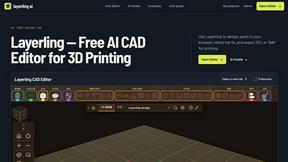
Layerling AI
AI-powered browser CAD for custom 3D parts. Generate editable enclosures from text prompts, refine dimensions, and export STL, 3MF, or STEP.

VidSyndicate
Publish videos to multiple social networks with VidSyndicate. Save time using AI-generated descriptions, smart scheduling, and automation.

ACA: Automated Client Acquisition
One platform for cold email, LinkedIn, lead magnets, content and a shared AI reply inbox, run in the app or by your AI agent.

SciDrawer AI
AI-powered scientific diagram maker for publication-ready mechanisms, graphical abstracts, laboratory layouts, and microscopic structures.

postersize ai
AI-powered poster creation and sizing platform for polished posters and practical print, social, and presentation formats.



Linkorva
AI SEO and GEO kickstart: submits your site to relevant directories and finds real backlinks.

Rhinobird
AI video ads, UGC-style videos, and product visuals for cross-border sellers and e-commerce brands.
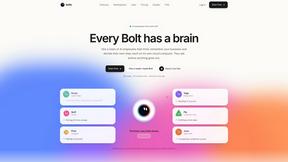
Bolts
AI employees with a brain and their own cloud computer. They think, remember your business and work 24/7.


Beautyface
Beautyface AI is an AI Photoshoot Generator that turns your selfies into studio-quality photos, professional headshots, wedding portraits

Safe Outreach
AI-powered platform that evaluates the safety of LinkedIn automation tools and helps reduce the risk of account restrictions.

Nevisible
Nevisible is an AI-sourced pipeline platform that makes suppliers readable to AI, uncovers AI-sourced buyers and tracks AI answers for manufacturers.

Easemic
Open-source Android comic & manga reader with encrypted cloud streaming and AI ad-page stripping.

AIVideoAgent
Turn text ideas or reference images into videos through conversation, with agent-assisted prompts and a choice of video models.

LaunchIntel
Your AI agent picks relevant directories, submits your product in your browser and tracks every step. One-time purchase.

About MemMachine Alternatives
MemMachine is an open-source memory layer designed for AI agents and applications. It belongs to the category of AI infrastructure tools that provide persistent, context-aware memory, enabling systems to learn from past interactions and deliver personalized experiences over time. Users often explore alternatives for various practical reasons. These can include specific budget constraints, the need for different feature sets like specialized integrations or advanced data management, or requirements for particular deployment models such as fully managed cloud services versus self-hosted solutions. The search for the right tool is driven by the unique technical and business needs of each project. When evaluating an alternative, key considerations should include the core memory architecture, data persistence and security protocols, ease of integration with your existing AI stack, and the overall flexibility of deployment. The goal is to find a solution that not only stores information but effectively leverages it to create more intelligent, adaptive, and user-centric AI applications.
FAQs about MemMachine Alternatives
What is MemMachine?
MemMachine is an open-source memory layer that empowers AI agents and applications with persistent memory, allowing them to learn, store, and recall user-specific data for more contextual and personalized interactions.
Who is MemMachine for?
It is for developers building advanced chatbots, data scientists working on AI applications, and businesses seeking to enhance customer engagement through sophisticated, context-aware AI solutions.
Is MemMachine free?
Yes, as an open-source solution, MemMachine is free to use and comes with comprehensive documentation and active community support.
What are the main features of MemMachine?
Its main features include persistent memory for evolving user profiles, multi-platform integration with services like OpenAI and AWS Bedrock, and flexible deployment options for local or cloud use.