
Alternatives to Headless Domains
Explore the best alternatives and competitors to Headless Domains.
Explore 20 alternatives to Headless Domains. Compare features, pricing, and find the best fit for your needs.
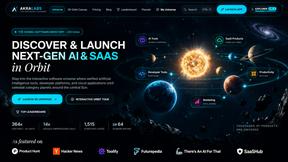
AkraLabs
Where modern software products get discovered, launched, and distributed. Explore verified AI tools, SaaS startups, and developer software.
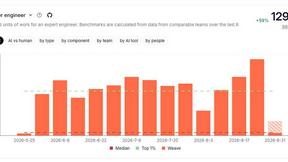

AppBanana
10,000+ Apps Approved, Yours Next With 10,000+ successful apps, we know exactly what Google wants, and how to get yours approved.
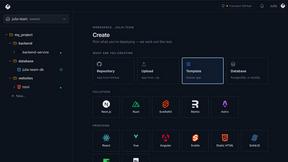
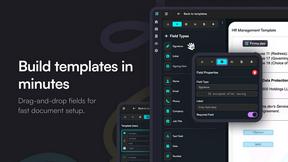
Firma.dev
Pay-as-you-go e-signature API and no-code sending. €0.049 per envelope, no monthly minimums, legally valid in 55+ countries.

ContextBolt
MCP servers that give your AI agent the context it can't reach: bookmarks, live SEO data and competitor moves, right inside Claude or Cursor.
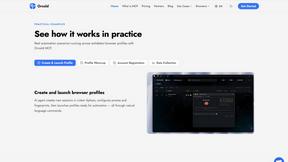
Ornold
Ornold MCP lets AI agents control Chromium and antidetect browsers: click, type, read screens, record workflows, replay profiles without scripts.
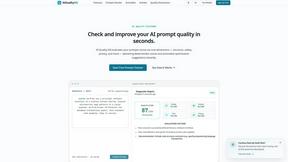
AIQualityHQ
AIQualityHQ is a free platform that instantly evaluates your AI prompts across six core dimensions to deliver deterministic scores and actionable.
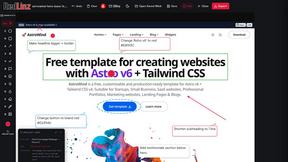
RedLinz
RedLinz turns screenshots into AI prompts by letting you circle and annotate exactly what you want an LLM to change.
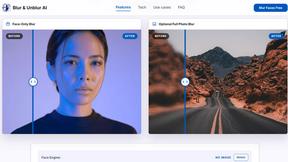
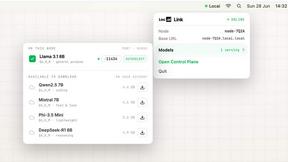
Locai
Locai lets you run powerful AI models on your own hardware, keeping data private and cutting cloud costs.
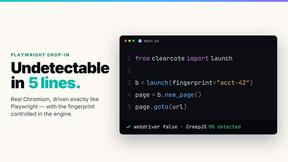
Clearcote
Clearcote is an open-source, de-Googled Chromium drop-in for Playwright and Puppeteer that gives you engine-level fingerprint control for a single.
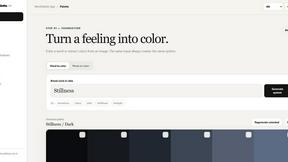
WordPalette Brand Kit
WordPalette Brand Kit transforms any word or image into a complete visual identity including palettes, fonts, and animations, all running privately.
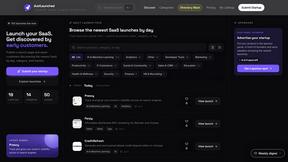
JustLaunched
JustLaunched helps indie makers schedule product launches, reach buyers, and distribute their SaaS across curated directories for maximum visibility.
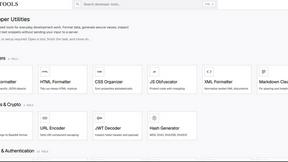
JavaScript Tools
JavaScript Tools gives you 27 browser-based utilities to format, inspect, encode, and test developer data instantly without any server uploads or.
FreeTextUtils
FreeTextUtils provides 50 free, private browser-based text tools for writing, coding, and data tasks without requiring signup.
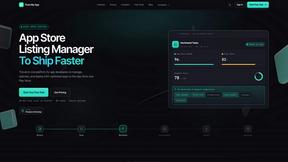
Push My App
Push My App is an all-in-one dashboard that generates search-optimized metadata, designs screenshots, scans for rejection risks, and submits listings.
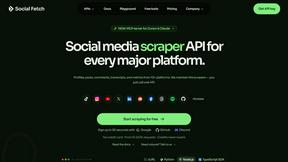
Social Fetch
Social Fetch replaces fragmented scrapers with a single, reliable REST API for profiles, posts, and metrics across 17 major social platforms.
About Headless Domains Alternatives
In the rapidly evolving landscape of autonomous systems and decentralized web infrastructure, Headless Domains has emerged as a specialized tool designed to provide software agents with a persistent, verifiable web identity. This product falls squarely within the Dev Tools category, serving as a foundational layer for developers who need to ensure their autonomous agents can be discovered, verified, and reached across different platforms without being tied to a single provider or infrastructure. By offering machine-readable manifests and verifiable records, it creates a bridge between the chaotic, transient nature of agent interactions and the need for reliable, long-term digital presence. However, as the ecosystem for autonomous agents continues to expand, many developers and organizations begin searching for alternatives to Headless Domains for a variety of practical reasons. These often include concerns about pricing structures that may not scale with growing agent fleets, the desire for specific feature sets like deeper integration with particular blockchain networks or cloud services, or the need for a more simplified onboarding process for non-technical team members. Some users also seek platforms that offer enhanced agent discovery mechanisms or more granular control over identity continuity protocols. When evaluating potential alternatives, it is crucial to look for solutions that maintain the core value of persistent identity without introducing vendor lock-in, ensure cross-platform reachability across diverse runtime environments, and provide verifiable records that can withstand scrutiny in automated decision-making processes. Additionally, consider how well the alternative handles agent lifecycle management, from creation to decommissioning, and whether it offers the flexibility to adapt as your agent architecture evolves.
FAQs about Headless Domains Alternatives
What is Headless Domains?
Headless Domains is a Dev Tools product that gives autonomous agents a persistent, verifiable web identity. It provides agents with a consistent digital presence that remains stable across different platforms and runtime environments, ensuring they can be discovered and reached by other systems. The platform focuses on machine-readable manifests and verifiable records to support automated interactions and trust verification.
Who is Headless Domains for?
Headless Domains is primarily designed for developers and engineers building autonomous agent systems, including AI agents, bots, and automated service workers. It is also suitable for organizations deploying fleets of agents that require consistent identity management and cross-platform reachability. The tool is especially valuable for teams working in decentralized or multi-provider environments where identity continuity and verifiable records are critical.
What are the main features of Headless Domains?
The main features include persistent agent identity, verifiable records, machine-readable manifests, agent discovery capabilities, cross-platform reachability, identity continuity across sessions, and no vendor lock-in. These features collectively ensure that autonomous agents can maintain a stable presence, be reliably discovered by other systems, and provide auditable proof of their actions and identity over time. The design emphasizes interoperability and long-term operational consistency.
Is Headless Domains secure?
Yes, Headless Domains prioritizes security through its use of verifiable records and persistent identity mechanisms that create a tamper-evident history of agent interactions. The platform ensures that identity continuity is maintained without exposing agents to unnecessary risk, and the machine-readable manifests allow for cryptographic verification of agent claims. Additionally, the no lock-in architecture means users retain control over their agent data and identity infrastructure, reducing dependency risks.