
Interhubz vs qtrl.ai
Side-by-side comparison to help you choose the right tool.

Interhubz
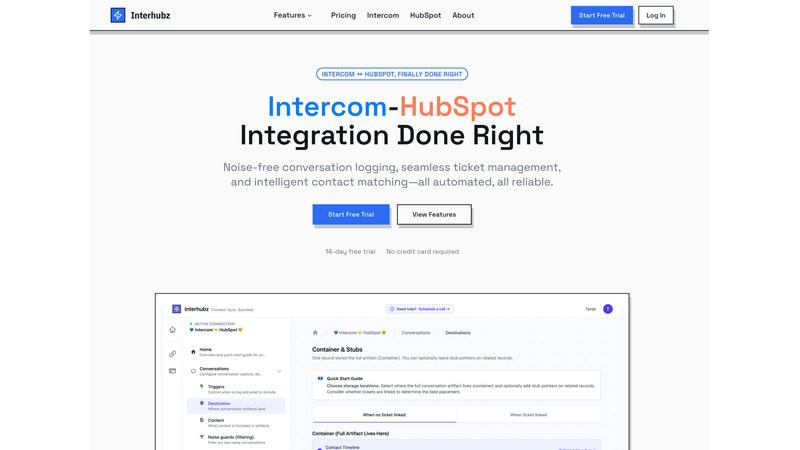
Interhubz seamlessly syncs Intercom chats to HubSpot as clean, organized entries, enhancing ticket management and.
Last updated: February 28, 2026

qtrl.ai
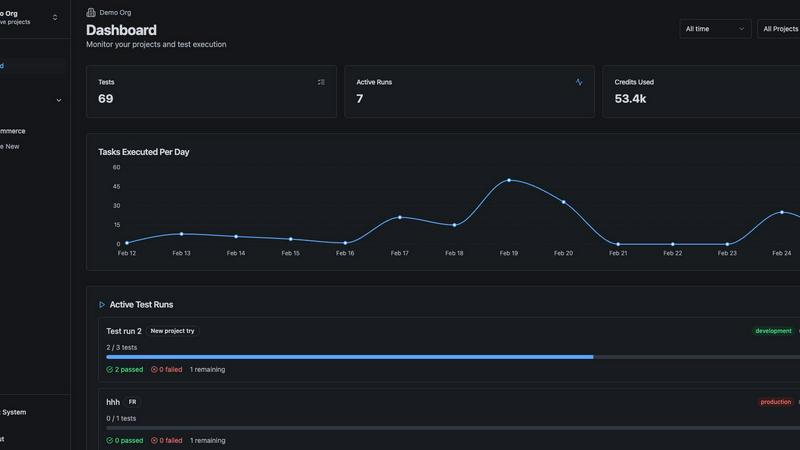
qtrl.ai helps QA teams scale testing with AI agents while keeping full control and governance.
Visual Comparison
Interhubz
qtrl.ai
Overview
About Interhubz
Interhubz is a powerful integration tool designed specifically for organizations that rely on both Intercom for customer support and HubSpot for sales and customer success management. In the complex world of customer interactions, Interhubz addresses the critical challenges of connecting these two platforms seamlessly. Its main value proposition lies in simplifying the integration process, allowing teams to maintain a clean, organized timeline in HubSpot without the clutter of multiple fragmented entries. By transforming each Intercom conversation into a single, comprehensive note, complete with transcripts and attachments, Interhubz enhances the visibility of customer interactions. It is built for teams that require reliable synchronization between support and sales operations, effectively bridging the gap between these two essential functions. With features like intelligent contact matching, noise filtering, and one-click ticket creation, Interhubz is the ideal solution for businesses looking to streamline their customer engagement processes and improve operational efficiency.
About qtrl.ai
qtrl.ai is a modern QA platform designed to help software teams scale their quality assurance efforts without sacrificing control or governance. It uniquely combines enterprise-grade test management with powerful, trustworthy AI automation. At its core, qtrl provides a centralized hub where teams can organize test cases, plan test runs, trace requirements to coverage, and track quality metrics through real-time dashboards. This structured foundation ensures clear visibility into what's been tested, what's passing, and where potential risks lie for engineering leads and QA managers.
Where qtrl truly stands apart is its progressive AI layer. Instead of forcing a risky, "black-box" AI-first approach, qtrl introduces intelligent automation gradually. Teams can start with simple manual test management and, when ready, leverage built-in autonomous agents. These agents can generate UI tests from plain English descriptions, maintain them as the application evolves, and execute them at scale across multiple browsers and environments. This makes qtrl perfect for product-led engineering teams, QA groups moving beyond manual testing, companies modernizing legacy workflows, and enterprises that require strict compliance and audit trails. Ultimately, qtrl's mission is to bridge the gap between the slow pace of manual testing and the brittle complexity of traditional automation, offering a trusted path to faster, more intelligent quality assurance.