
qtrl.ai vs Skene
Side-by-side comparison to help you choose the right tool.

qtrl.ai
qtrl.ai empowers QA teams to scale testing with AI while ensuring full control, governance, and seamless integration.
Last updated: March 4, 2026

Skene automates onboarding and retention directly from your codebase, enabling seamless product-led growth without.
Last updated: February 28, 2026
Visual Comparison
qtrl.ai
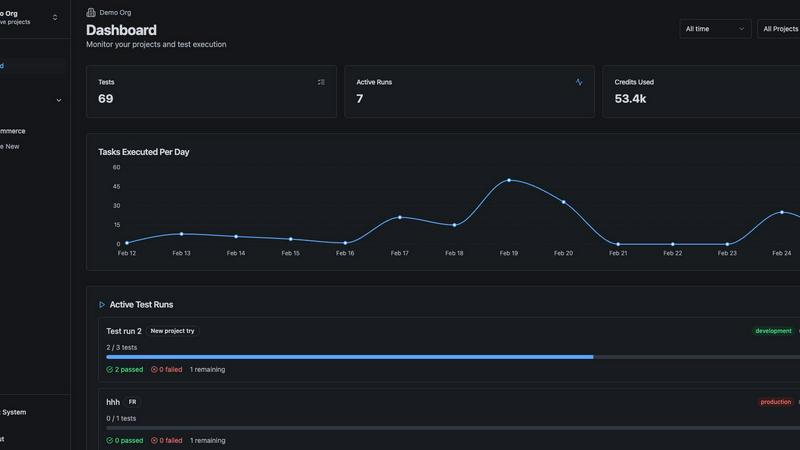
Skene
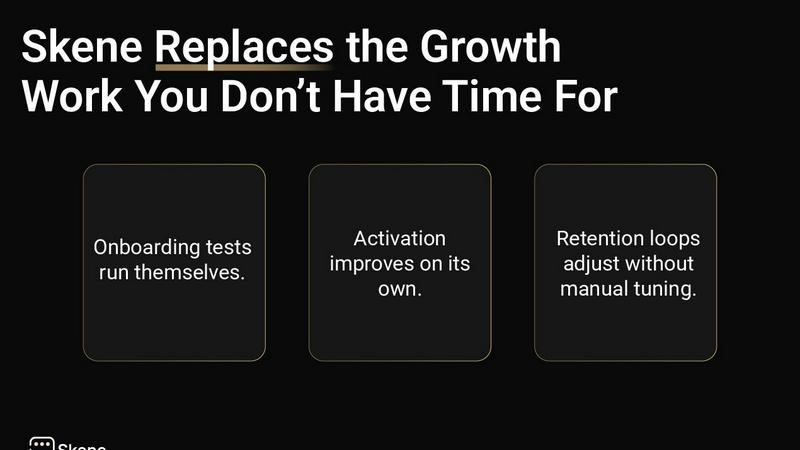
Feature Comparison
qtrl.ai
Autonomous QA Agents
qtrl.ai features autonomous QA agents that can execute testing instructions on demand or continuously. These agents are capable of running tests at scale across multiple environments while adhering to defined rules, ensuring reliable results. With real browser execution instead of mere simulations, the agents provide accurate and meaningful testing outcomes.
Enterprise-Grade Test Management
This platform offers centralized management of test cases, plans, and runs, ensuring full traceability and comprehensive audit trails. It supports both manual and automated workflows, making it adaptable to the specific needs of any team. Designed with compliance in mind, qtrl.ai enables organizations to maintain robust governance throughout their QA processes.
Progressive Automation
qtrl.ai supports a progressive automation model, allowing teams to start with human-written test instructions. As teams gain confidence, they can transition to AI-generated tests that are fully reviewable. This feature includes suggestions for new tests based on coverage gaps, empowering teams to enhance their testing strategies while maintaining control.
Adaptive Memory
The adaptive memory component of qtrl.ai builds a living knowledge base of the application under test. It learns from test execution and previous issues, enabling smarter, context-aware test generation. With each interaction, the platform becomes more effective, streamlining the QA process and improving overall testing accuracy.
Skene
Automated User Journey Optimization
Skene streamlines the user journey by automatically analyzing user behaviors and interactions. This feature allows for continuous optimization of onboarding, activation, and retention stages, ensuring that the user experience is always improving without manual intervention.
Codebase Integration
Skene connects directly to your codebase, analyzing it to derive valuable growth signals. This direct integration eliminates the need for third-party scripts that can disrupt product performance and keeps your data accessible and manageable within your system.
Real-Time Analytics Dashboard
The platform provides a robust analytics dashboard that tracks real-time user progress, completion rates, and engagement metrics. This feature helps identify bottlenecks in the user journey, enabling developers to make informed adjustments to enhance user experiences.
Outcome-Based Pricing Model
Skene employs an innovative pricing strategy where costs are incurred only when customers successfully complete their onboarding journey. This model aligns Skene's success with that of its users, providing a risk-free way to enhance growth without upfront costs.
Use Cases
qtrl.ai
Product-Led Engineering Teams
Product-led engineering teams can leverage qtrl.ai to enhance their QA processes by automating testing while ensuring that quality remains a top priority. The platform’s combination of test management and AI-driven automation supports rapid development cycles without sacrificing oversight.
QA Teams Scaling Beyond Manual Testing
For QA teams that are transitioning from manual testing to more automated approaches, qtrl.ai provides a structured pathway. It enables teams to start with manual processes and gradually adopt automation, ensuring a smooth transition that minimizes risks associated with sudden changes.
Companies Modernizing Legacy QA Workflows
Organizations looking to modernize their outdated QA workflows can utilize qtrl.ai to integrate advanced testing strategies. The platform’s features allow for the automation of existing processes while maintaining essential compliance and audit capabilities necessary for enterprise environments.
Enterprises Requiring Governance and Traceability
Large enterprises with strict governance and audit requirements can benefit from qtrl.ai’s comprehensive test management capabilities. The platform ensures that all testing activities are traceable and transparent, allowing organizations to maintain compliance while improving the efficiency of their QA efforts.
Skene
Optimizing Onboarding Flows
Indie developers can utilize Skene to refine their onboarding processes. By leveraging automated insights and adjustments, they can ensure new users quickly understand and derive value from their product, reducing drop-off rates significantly.
Enhancing User Retention
Startups can implement Skene to focus on user retention strategies. By continuously monitoring engagement metrics and user behavior, Skene helps identify areas for improvement, ensuring users remain engaged and satisfied over time.
Streamlining Growth Strategies
Product managers can use Skene to develop and implement growth strategies seamlessly. With its automated feature set, managers can focus on high-level strategy while Skene handles the intricate details of user journey optimization.
Facilitating Data-Driven Decisions
With Skene's comprehensive analytics, teams can make data-driven decisions that enhance user experiences. By understanding user behavior and engagement patterns, businesses can tailor their product offerings more effectively to meet user needs.
Overview
About qtrl.ai
qtrl.ai is an innovative quality assurance platform designed to empower software teams by streamlining their QA processes while maintaining robust control and governance. This platform stands out by integrating enterprise-grade test management with advanced AI-driven automation, creating a centralized hub where teams can efficiently organize test cases, plan test runs, and track quality metrics through real-time dashboards. By providing clear visibility into testing outcomes, qtrl.ai enables engineering leads and QA managers to identify what has been tested, what is passing, and where potential risks may exist.
The unique strength of qtrl.ai lies in its gradual implementation of intelligent automation. Unlike other platforms that may adopt a risky black-box approach, qtrl allows teams to begin with manual test management, progressively introducing autonomous agents as they become ready. These agents can generate UI tests from simple English descriptions, adapt to application changes, and execute tests across various browsers and environments at scale. This makes qtrl.ai ideal for product-led engineering teams, QA groups transitioning from manual testing, organizations modernizing outdated workflows, and enterprises requiring stringent compliance and auditability. Ultimately, qtrl.ai aims to bridge the gap between the slow pace of manual testing and the complexities of traditional automation, offering a reliable pathway to faster and smarter quality assurance.
About Skene
Skene is a groundbreaking automated Product-Led Growth (PLG) iteration engine tailored specifically for indie developers and early-stage startups. Its primary mission is to enable products to achieve sustainable growth autonomously, eliminating the necessity for dedicated growth teams. Skene continuously refines pivotal user journey stages, including onboarding, activation, and retention, by harnessing insights from user behaviors and interactions within the codebase. The platform intelligently monitors user actions to pinpoint friction zones and identify where activation may falter. By automatically creating, testing, and deploying enhanced user flows, Skene ensures that your onboarding process evolves to become more effective over time. This self-learning growth engine liberates developers from the burden of cumbersome dashboards and manual growth meetings, allowing indie creators to concentrate on their core development tasks. Moreover, startups can leverage a comprehensive growth solution conveniently packaged as a “growth team in a box.” With Skene, Product-Led Growth companies can refine their activation strategies and extend customer lifetime value without incurring the costs of additional personnel.
Frequently Asked Questions
qtrl.ai FAQ
What makes qtrl.ai different from traditional QA tools?
qtrl.ai distinguishes itself by combining enterprise-grade test management with progressive AI automation. It allows teams to gradually adopt automation while maintaining control and governance, unlike traditional tools that may be either too rigid or overly reliant on black-box AI.
Can qtrl.ai integrate with existing tools?
Yes, qtrl.ai is designed to work seamlessly with your existing tools and workflows. It supports integration with various CI/CD pipelines and requirements management systems, ensuring a smooth transition and continuous quality feedback loops.
How does qtrl.ai ensure data security during testing?
qtrl.ai prioritizes security by maintaining governance through defined autonomy levels and full agent visibility. Sensitive information, such as environment variables and encrypted secrets, is securely managed, ensuring that they are not exposed to AI agents during testing.
Is qtrl.ai suitable for small teams?
Absolutely. qtrl.ai is versatile and scalable, making it suitable for teams of all sizes. Whether you are a small startup or a large enterprise, the platform can adapt to your specific needs, facilitating growth and efficiency in your QA processes.
Skene FAQ
What is PLG software?
PLG (Product-Led Growth) software is designed to help users discover value in a product autonomously, without relying on sales or customer success teams. It automates the user journey, guiding users towards activation and feature adoption through the product itself.
How is Skene different from traditional customer experience software?
Unlike traditional customer experience tools that require manual setup and maintenance, Skene automatically reads your codebase and generates onboarding flows and analytics. This ensures that every change you make to your code updates the user experience without additional effort.
How long does it take to set up?
The setup process is incredibly quick, taking less than 60 seconds. By simply connecting your read-only GitHub or GitLab repository, Skene analyzes the codebase and generates PLG flows without the need for code alterations or API modifications.
Is my code secure with Skene?
Yes, your code remains secure as Skene only requires read-only access to your repository. All analyses are conducted in a secure, isolated environment, ensuring the integrity and confidentiality of your code.
Alternatives
qtrl.ai Alternatives
qtrl.ai is a cutting-edge quality assurance platform that integrates AI technology to help software teams enhance their testing processes while maintaining governance and control. It is particularly effective for organizations looking to streamline their quality assurance efforts through intelligent automation and robust test management capabilities. As teams evolve, they often seek alternatives to qtrl.ai for various reasons, such as pricing structures, feature sets, or specific platform compatibility requirements that better align with their unique operational needs. When considering alternatives to qtrl.ai, users should evaluate several key factors. It's essential to assess the scalability of the solution, the flexibility of its automation features, and the ability to maintain visibility and control over testing processes. Additionally, understanding the level of support provided and how well the platform integrates with existing tools can significantly impact the overall effectiveness of a chosen QA solution.
Skene Alternatives
Skene is an innovative automated Product-Led Growth (PLG) iteration engine designed for indie developers and early-stage startups. This tool enhances the onboarding, activation, and retention processes by leveraging user behavior insights directly from the codebase, allowing products to evolve independently without requiring specialized growth teams. As a result, Skene empowers businesses to optimize user journeys seamlessly and effectively. Users often seek alternatives to Skene due to various factors, including pricing, specific feature sets, or compatibility with their existing platforms. When considering an alternative, it is essential to evaluate the solution’s ability to integrate with your existing workflow, the quality of insights it provides, and the overall cost-effectiveness. Look for tools that offer automated optimization and contextual insights while ensuring minimal disruption to your development process.