
fnel vs Fusedash
Side-by-side comparison to help you choose the right tool.

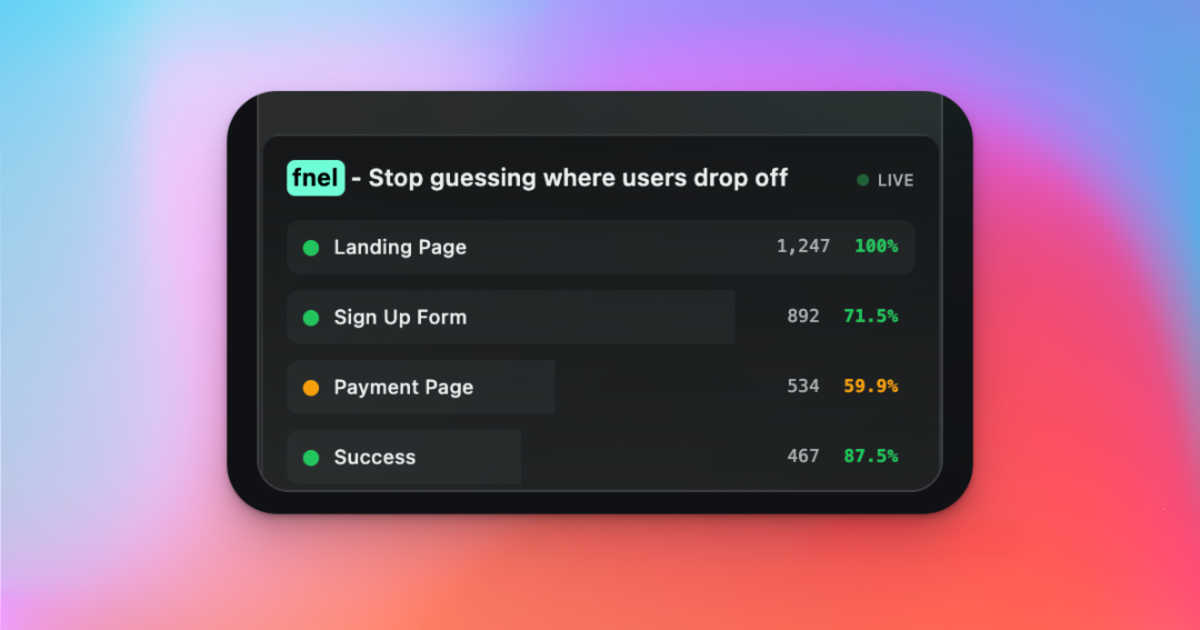
Fnel provides real-time funnel analytics to help solo founders instantly see and fix conversion leaks.
Last updated: March 1, 2026

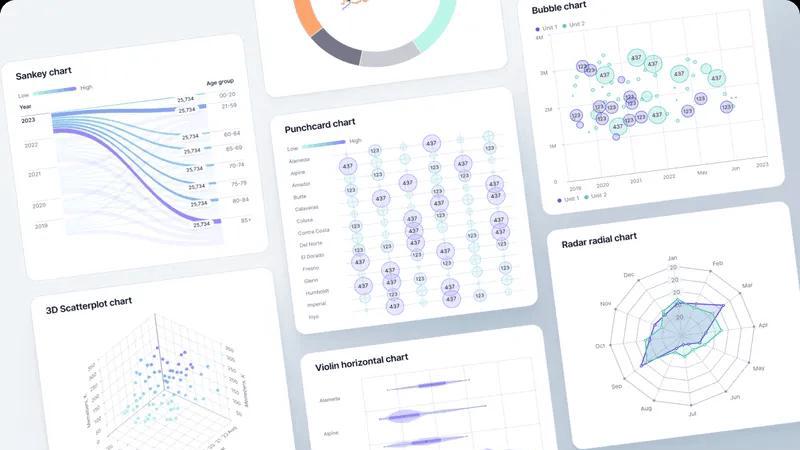
Fusedash transforms raw data into clear dashboards and charts for instant team insights and action.
Last updated: March 4, 2026
Visual Comparison
fnel
Fusedash
Feature Comparison
fnel
Real-Time Funnel Visualization
fnel provides immediate, visual representations of your key user pathways, such as signup or checkout flows. The dashboard updates in real-time, showing you the exact volume of users at each step and the precise percentage that drops off between them. This instant feedback loop allows you to see the impact of changes as they happen, moving from guesswork to data-driven optimization without delay, ensuring you always have a pulse on your conversion performance.
One-Line Code Integration
Designed for maximum developer efficiency, fnel can be integrated into any web application with just a single line of code. This eliminates days of complex configuration and schema definition required by other tools. You simply install the package, add your API key, and begin tracking events immediately. This frictionless setup means you can go from installation to actionable insights in mere minutes, not weeks.
Smart Drop-Off Alerts
The platform proactively monitors your funnels and automatically detects anomalies and sudden performance dips at specific steps. Instead of requiring constant manual dashboard checking, fnel sends intelligent alerts when a step like "Payment Page" shows a higher-than-usual abandonment rate. This feature acts as an early warning system, enabling you to identify and fix conversion leaks faster than ever before.
A/B Test Validation at Funnel Level
fnel moves beyond surface-level A/B testing by allowing you to compare variants based on their performance through the entire conversion funnel. You can see not just which variant gets more clicks, but which one actually drives more users successfully from step A to step B to conversion. This provides statistically significant, step-level conversion data, ensuring you validate tests based on what truly matters: completed goals.
Fusedash
Unified AI Visualization Workspace
Fusedash consolidates the entire data reporting workflow into one intuitive environment. Instead of juggling separate tools for dashboards, charts, maps, and reports, teams can create all these views from the same connected dataset. This unified approach means you build your data logic and KPIs a single time, then deploy them across interactive dashboards for monitoring, detailed charts for analysis, narrative reports for stakeholders, and even real-time monitoring interfaces. The platform's flexibility allows for custom layouts, filters, and time ranges, ensuring each audience gets the precise view they need without duplicating effort or compromising data consistency.
AI-Powered Chart Generator
This feature accelerates the initial step of data exploration and presentation. Users can instantly generate clear, accurate visualizations by simply uploading a CSV file or connecting to an API. The AI assists in selecting the most appropriate chart type for the data, applying meaningful comparisons, and refining labels to ensure the visual tells the correct story. These AI-generated charts can serve as powerful standalone visuals for quick reports or be seamlessly integrated into larger, more comprehensive dashboards, providing a fast track from raw data to understandable insight.
Intelligent Data Chat & Exploration
Fusedash incorporates a conversational AI interface that allows users to interact with their data using plain language. When unsure where to begin or needing a specific breakdown, users can ask questions like "What were sales by region last quarter?" or "Show me a breakdown of user churn by plan." The smart chat interprets these queries, explores the data, and provides suggested metrics, charts, and visual breakdowns. Crucially, these insights can be instantly transformed into permanent, shareable dashboard views, making advanced data analysis accessible to every team member regardless of their technical expertise.
Flexible Data Integration & Management
The platform is built to handle diverse data sources with ease, eliminating the need to rebuild analyses across different systems. Users can upload static CSVs, connect live data via APIs, and even enrich their views with relevant public datasets for added context, such as geographic or market data. Fusedash acts as a central hub where these datasets are organized, combined for unified views, and—most importantly—made reusable across every chart, dashboard, and report. This ensures data integrity and saves significant time in data preparation and management.
Use Cases
fnel
SaaS Product Signup Flow Optimization
For SaaS founders, the journey from landing page visit to activated user is critical. fnel allows you to track each micro-step: landing page view, signup form submission, email verification, onboarding start, and final activation. By visualizing where prospects fall out, you can systematically improve each touchpoint, whether it's simplifying a form, tweaking a verification email, or redesigning an onboarding tutorial to boost activation rates.
E-commerce Checkout Process Analysis
Online retailers can use fnel to map and analyze the complete checkout funnel from cart view, through shipping information entry, to payment submission and order confirmation. Identifying the specific stage where cart abandonment spikes—for instance, at the shipping cost calculation—provides direct, actionable intelligence to test solutions like offering free shipping thresholds or streamlining address entry fields.
Agency Lead Generation Funnel Tracking
Marketing agencies and consultants can implement fnel to prove campaign ROI by tracking lead generation funnels. This involves monitoring steps from a landing page form submission, through lead qualification, to the critical action of booking a discovery call. fnel provides clear data on which marketing channels and campaigns deliver not just leads, but qualified leads that progress through the entire sales pipeline.
Side Project and MVP Validation
Indie hackers and builders launching minimum viable products (MVPs) can use fnel's free plan to validate core assumptions quickly. By setting up a simple funnel for their initial user flow, they can gather immediate, real-world data on user engagement and drop-off points. This rapid feedback is invaluable for iterating on the product concept before investing significant time and resources into full-scale development.
Fusedash
Executive Leadership Reporting
For C-suite executives and department heads, Fusedash provides a high-level, consistent view of organizational health. Leaders can access a unified dashboard that combines financial, operational, and customer KPIs from various sources into a single narrative. The storytelling and reporting features add crucial context to the numbers, explaining what changed, why it matters, and what the proposed next steps are. This eliminates the need for manually compiled slide decks and ensures all leadership discussions are grounded in the same verified data.
Marketing Campaign Performance Analysis
Marketing teams can use Fusedash to move beyond scattered analytics tools. They can connect data from ad platforms, CRM systems, and web analytics into one workspace to build comprehensive campaign dashboards. The AI chart generator helps quickly visualize conversion trends and ROI, while the ability to drill down allows them to segment performance by channel, audience, or geographic region. This enables rapid, data-driven optimization of campaigns and clear reporting of results to stakeholders.
Operational Real-Time Monitoring
Operations and support teams require live visibility into key processes. Fusedash's real-time interface capabilities allow for the creation of live monitoring dashboards that track metrics like system uptime, ticket volume, or supply chain status. Teams can see issues as they emerge, and the drill-down functionality helps quickly diagnose root causes by examining specific time periods or operational segments, enabling faster response and resolution.
Cross-Departmental Strategic Alignment
Fusedash acts as the single source of truth that bridges departmental silos. Sales, finance, and product teams can all build their specific views—from sales pipelines and revenue charts to user engagement maps—from the same core dataset with consistent metric definitions. This shared foundation prevents conflicts arising from different data interpretations, fosters transparency, and aligns all teams around common organizational goals and KPIs, driving cohesive strategic action.
Overview
About fnel
In the dynamic and often overwhelming world of digital product development, understanding user behavior is not just an advantage; it is an absolute necessity for survival and growth. fnel emerges as a definitive solution in this landscape, a purpose-built funnel analytics tool meticulously designed for the modern creator. It specifically serves solo founders, indie hackers, and early-stage startups who are navigating the critical phases of validation, launch, and initial scaling. The core philosophy of fnel is a powerful rejection of complexity. It stands in stark contrast to traditional, monolithic analytics platforms that bury actionable insights under layers of configuration, complex schemas, and generic dashboards. fnel's singular mission is to deliver crystal-clear, immediate visibility into the user journey, pinpointing exactly where potential customers disengage and drop out of your key conversion funnels. This is achieved with unparalleled simplicity through a one-line code integration, enabling real-time funnel visualizations without the typical setup headaches or steep learning curve. By stripping away the clutter and focusing exclusively on funnel performance, fnel empowers individuals and small teams to move with agility. It provides the essential clarity needed to make swift, informed decisions that directly optimize signup rates, improve onboarding sequences, and boost overall conversion metrics, all from a lightweight and intuitively developer-friendly interface.
About Fusedash
Fusedash represents a paradigm shift in how modern organizations interact with their data, moving beyond fragmented tools to a unified, intelligent workspace. It is an AI-powered data visualization platform engineered to transform raw, connected data into clear, actionable insights that drive alignment and decisive action. At its core, Fusedash solves the pervasive problem of data inconsistency and manual reporting fatigue by providing a single source of truth. Teams can define their key metrics and KPIs once and then reuse those consistent definitions across every dashboard, chart, map, and narrative report. This ensures that everyone from executive leadership and marketing teams to operations specialists is interpreting the same trusted numbers, eliminating conflicting data stories and endless cycles of reconciliation. Designed for agility, Fusedash empowers users to not only monitor real-time performance through dynamic interfaces but also to deeply understand the 'why' behind the numbers by drilling down into specific segments, regions, or time periods. By integrating advanced AI capabilities like natural language data chat and smart visualization assistance, it dramatically lowers the barrier to sophisticated data exploration. Fusedash is the comprehensive solution for teams seeking to replace a patchwork of disconnected tools with a cohesive platform that turns data into a strategic asset for storytelling, monitoring, and informed decision-making.
Frequently Asked Questions
fnel FAQ
How is fnel different from Google Analytics or Mixpanel?
fnel is fundamentally different in its focus and simplicity. While GA and Mixpanel are powerful, general-purpose analytics suites, they require significant setup, complex event schemas, and dashboard customization to extract funnel insights. fnel is purpose-built exclusively for funnel analysis. It delivers step-by-step conversion visualization and drop-off detection out of the box with a one-line setup, removing all noise and complexity to give founders exactly what they need: a clear, immediate view of where their users are leaving.
Is there a free plan available?
Yes, fnel offers a completely free Starter plan designed for validation and early-stage use. It includes up to 5,000 events per month and allows tracking for up to 3 distinct funnels. This plan provides access to the real-time dashboard and basic drop-off analysis. You can start using it immediately without requiring a credit card, making it risk-free to begin understanding your user journey.
What are the details of the Pro and Lifetime plans?
The Pro plan is priced at $12 per month (or $9.99 per month when billed annually) and is tailored for serious growth. It includes up to 100,000 events monthly, unlimited funnel tracking, advanced drop-off analysis, data export capabilities (CSV/JSON), and priority support. The Lifetime plan is a one-time payment that grants permanent access to all Pro features, including all future updates, with no monthly fees ever, representing significant long-term value for committed users.
How long does setup take, and is it developer-friendly?
Setup with fnel is exceptionally fast and developer-friendly. The process typically takes under five minutes. It involves just three steps: installing the fnel package via npm or adding a script tag, inserting your unique API key into your application's configuration, and beginning to send track events. There is zero complex configuration or schema design required, allowing developers to integrate powerful analytics with minimal effort.
Fusedash FAQ
What types of data sources can I connect to Fusedash?
Fusedash is designed for flexibility in data integration. You can start by uploading static data files like CSVs or Excel sheets. For live, updating data, you can connect directly to a wide variety of sources using API connections. The platform also allows you to combine multiple datasets, including enriching your views with public data, to create comprehensive and context-rich analyses without needing to switch between different tools.
How does the AI Chart Generator work?
The AI Chart Generator simplifies the initial visualization process. After you provide your dataset via CSV or API, the AI analyzes the structure and content of your data. It then suggests the most appropriate and effective chart types (e.g., line charts for trends, bar charts for comparisons) to represent your information clearly. You maintain full control to refine the suggestions, add filters, apply comparisons, and adjust labels to ensure the final visual accurately communicates the intended story.
Can I control who sees which dashboards and reports?
Yes, Fusedash is built for collaborative yet controlled sharing. You can create different views—from high-level executive dashboards to detailed team-specific reports—from the same consistent data. These views can then be shared with specific stakeholders, teams, or the entire organization. This ensures that each audience receives information tailored to their needs while maintaining underlying data integrity and security permissions.
What is the benefit of having dashboards and reports in one workspace?
The primary benefit is efficiency and consistency. Traditionally, teams build dashboards in one tool and then manually recreate the data in slides or documents for reporting, leading to errors and version control issues. Fusedash eliminates this duplication. You build your metrics once, and then use them for both real-time monitoring dashboards and narrative, context-driven reports. This "define once, use everywhere" philosophy saves immense time and guarantees that everyone is aligned with the same numbers and insights.
Alternatives
fnel Alternatives
Fnel is a specialized funnel analytics platform designed to simplify conversion tracking for solo founders and early-stage startups. It operates within the broader analytics and data category, focusing on delivering real-time insights into user behavior with minimal setup complexity. This focus on simplicity and speed is its core value proposition. Users may explore alternatives for various reasons, including evolving budget constraints, the need for more advanced or different feature sets, or a requirement to integrate with a broader ecosystem of business tools. As a project scales, its analytical needs can become more sophisticated, prompting a search for solutions that offer deeper customization, different pricing models, or specific platform integrations. When evaluating other options, key considerations should include the ease of implementation relative to your technical resources, the clarity and actionability of the data presented, and how well the tool's philosophy aligns with your need for speed versus depth. The ideal alternative balances comprehensive insight with an interface that does not create analysis paralysis, ensuring you spend time optimizing your product, not your analytics dashboard.
Fusedash Alternatives
Fusedash is an AI-powered data visualization and business intelligence platform. It serves as a unified workspace where teams can transform raw data from various sources into consistent dashboards, interactive charts, and narrative reports. The core aim is to create a single, trusted source of truth that drives organizational alignment and informed action. Users often explore alternatives for a variety of practical reasons. These can include budget constraints, the need for specific integrations with an existing tech stack, or requirements for more advanced or niche analytical capabilities. Some teams may also seek solutions with different user experience philosophies or deployment options, such as on-premise versus cloud-based models. When evaluating alternatives, it's crucial to consider several key factors. Look for a platform's ability to connect to your essential data sources and its scalability as your data grows. Assess the ease of use for both creators and viewers, the depth of visualization and reporting features, and the strength of collaboration tools. Ultimately, the right choice should empower your entire team with consistent, accessible insights that streamline decision-making.